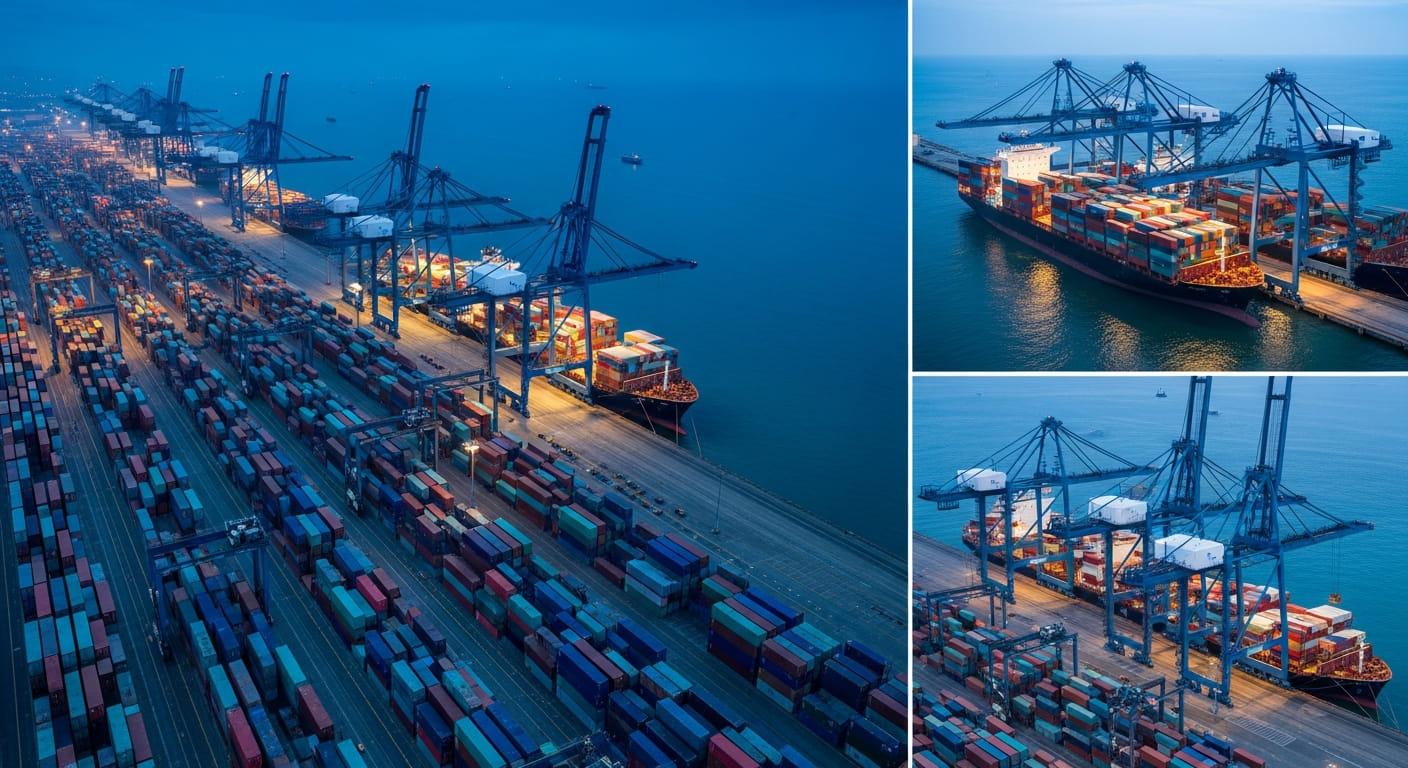
Tariffs & HS Codes Compliance Guide 2026
Essential Tariffs & HS Codes compliance guidance for 2026 importers and freight forwarders.
Essential Tariffs & HS Codes compliance guidance for 2026 importers and freight forwarders.
Date: March 2026
The global trade landscape is a dynamic, often unpredictable terrain. For Amazon FBA sellers, seasoned importers, and the dedicated customs brokers who support them, staying ahead of tariff changes and mastering HS code classification is not merely good practice—it’s essential for survival and profitability. As we move through March 2026, the currents of trade policy continue to shift, bringing both renewed challenges and the imperative for smarter, AI-driven compliance solutions.
Here at TradeShield AI, we understand that every shipment carries not just goods, but also a complex web of regulations, duties, and potential risks. The US tariff system, as the Cato Institute recently highlighted, has only grown more intricate, a labyrinth that even the Supreme Court cannot simplify (Source 3). This complexity, coupled with ongoing geopolitical tensions and the looming shadow of potential new trade policies, makes 2026 a critical year for trade compliance.
As we navigate the first quarter of 2026, the US trade policy environment remains remarkably complex and fraught with potential for sudden shifts. Importers, particularly Amazon FBA sellers dealing with high volumes of diverse products, must contend with a landscape heavily influenced by existing Section 301 and Section 232 tariffs, as well as the ever-present threat of new trade barriers. The very structure of the US tariff system has reached a point of unprecedented complexity, as observed by the Cato Institute, which noted that judicial intervention is unlikely to simplify it (Source 3). This means businesses are largely on their own, needing robust internal systems or powerful external tools to manage the intricate rules.
A significant portion of this complexity stems from the Section 301 tariffs, originally imposed on goods from China. While some exclusions have expired or been modified, a substantial list of products, ranging from consumer electronics to industrial components, continue to face additional duties, often ranging from 7.5% to 25%. These surcharges can drastically alter the profitability of imported goods and necessitate precise calculations. Similarly, Section 232 tariffs on steel and aluminum imports, which often involve rates around 10-25%, remain in effect, impacting manufacturing supply chains and downstream products. The Morgan Lewis “2026 Outlook” highlights how these trade risks, particularly tariffs on inputs from specific countries, pose significant challenges for capital-intensive sectors like energy storage projects (Source 1), a risk that permeates across various industries reliant on global supply chains.
Looking ahead, the political climate adds another layer of uncertainty. The Peterson Institute for International Economics has openly discussed the “obstacles facing Trump’s next attempt at imposing tariffs” (Source 2), underscoring the very real possibility of new, broad-based tariffs, such as a universal 10% tariff on all imports, or even more targeted actions. Such moves would fundamentally reshape import strategies and cost structures across the board. For companies importing from, say, Vietnam, India, or Mexico, new tariffs could emerge swiftly, demanding immediate re-evaluation of sourcing and pricing strategies.
At the heart of navigating this turbulent landscape are Harmonized System (HS) codes, specifically the 10-digit Harmonized Tariff Schedule (HTS) codes required for US imports. These codes, updated annually and subject to constant review, classify every single product that crosses international borders, dictating its duty rate and any applicable tariffs or trade program benefits (Source 4, 6). A seemingly minor error in classification can trigger a cascade of issues—from incorrect duty payments to severe penalties. Thomasnet reminds us that understanding “Tariff Codes: What They Are, Types, and and How to Read” is a foundational skill for any importer (Source 5), a skill made infinitely more challenging by the volatile 2026 environment. The exact duty percentage for a product could vary wildly based on a single digit of its HTS code, not to mention the layers of Section 301 or 232 surcharges applied on top. This constant flux requires not just diligence, but sophisticated tools to maintain accuracy and adapt to real-time changes.
For Amazon FBA sellers and larger importers, the intricate tariff landscape of 2026 translates directly into tangible business impacts. The most immediate and significant consequence is financial exposure. An incorrect HS code classification, even a seemingly minor error, can lead to underpayment of duties. For instance, classifying a product as a “toy” (HTS 9503.00.00) with a lower duty rate, when it should be classified as a “gaming console” accessory (HTS 9504.50.00) with a higher rate and potentially subject to Section 301 tariffs, can result in thousands of dollars in unpaid duties for a single shipment. Multiply this across dozens or hundreds of containers, and the financial liability can quickly become crippling, often leading to post-entry adjustments, back duties, and severe penalties from Customs and Border Protection (CBP).
Beyond direct duty costs, operational risks abound. Freight forwarders and importers face increased scrutiny from CBP, leading to potential delays at ports of entry. Shipments incorrectly classified or lacking proper documentation are often flagged for intensive examination, extending transit times by days or even weeks. For Amazon FBA sellers, this means stockouts, lost sales, and damaged seller ratings due to delayed inventory replenishment. For larger importers, it can disrupt production schedules, cause contractual breaches with customers, and erode brand reputation. Imagine a critical component for an energy storage project (as referenced by Morgan Lewis, Source 1) being held up due to a classification dispute – the ripple effects on project timelines and costs can be enormous.
Furthermore, the uncertainty surrounding potential new tariffs (Source 2) makes long-term forecasting and supply chain planning a nightmare. Businesses must constantly assess the risk of new duties being imposed on their products or components, which can force rapid re-evaluation of sourcing countries, renegotiation with suppliers, or even a complete overhaul of product pricing strategies. This adds a layer of instability that affects everything from inventory management to marketing campaigns. The complex and often opaque nature of tariff regulations, exacerbated by the sheer volume of products in global trade, means that without robust systems, importers are effectively gambling with their margins on every single shipment.
The increasing complexity of the US tariff system (Source 3) places customs brokers and internal compliance teams squarely in the crosshairs of heightened liability and operational pressure. Their role as intermediaries and experts has never been more critical, nor more challenging.
A primary concern for customs brokers is the shifting landscape of liability. While the importer of record is ultimately responsible for the accuracy of entry data, customs brokers are increasingly held accountable for due diligence in classification and compliance. Errors or omissions can lead to significant professional liability claims, fines, and even the suspension of their brokerage license. This necessitates a more rigorous review process for every entry, often requiring deeper dives into product specifications, manufacturing processes, and specific trade agreements to ensure correct 10-digit HTS code application (Source 4, 6) and accurate calculation of any applicable Section 301/232 surcharges.
Documentation requirements have become exponentially more stringent. Customs brokers and compliance teams must meticulously manage an ever-growing volume of paperwork, from commercial invoices and packing lists to bills of materials, technical drawings, and even laboratory test results, all to justify HS code classifications and country of origin. This exhaustive documentation is crucial for defending against CBP inquiries, audits, and potential penalties. The burden of proof rests heavily on the importer and, by extension, their broker.
The risk of CBP audits is also a constant threat. With enhanced enforcement initiatives, Customs and Border Protection are regularly conducting focused assessments and post-entry audits. A single misclassified product line, if discovered during an audit, can trigger a review of years of import data, leading to massive demands for back duties, interest, and penalties. For compliance teams, this means not only ensuring accuracy on the front end but also maintaining impeccable records and a defensible compliance program. The complexity cited by the Cato Institute (Source 3) directly translates into a higher probability of inadvertent errors, making the task of maintaining a pristine audit trail incredibly difficult without specialized tools. The pressure to stay ahead of this intricate and politically charged environment (Source 2) means constant training, vigilance, and the deployment of advanced technological solutions.
The primary risks in 2026 include the pervasive uncertainty of Section 301/232 tariffs and the high probability of new trade policy actions (Source 2), leading to unpredictable cost increases. Incorrect 10-digit HTS code classification remains a major vulnerability (Source 4, 6), exposing importers to significant underpaid duties and penalties, exacerbated by the US tariff system’s increasing complexity (Source 3). Furthermore, a lack of robust compliance processes can result in supply chain disruptions and costly delays at customs.
CBP can impose substantial penalties for tariff and HS code violations. For negligence (e.g., misclassification due to a lack of reasonable care), penalties can be up to 20% of the lost revenue (underpaid duties). For gross negligence (clear and convincing evidence of a disregard for reasonable care), penalties can rise to 40% of the lost revenue. In cases of fraud (intentional misclassification), the penalty can be as high as the domestic value of the merchandise, in addition to the lost duties and potential criminal prosecution.
TradeShield AI revolutionizes tariff and HS code compliance by offering a suite of intelligent features. Our platform provides real-time OFAC/EU/UN screening to instantly check parties against restricted lists, preventing prohibited transactions. For classification, it offers accurate 10-digit HTS code suggestions using advanced algorithms, significantly reducing misclassification risks. Crucially, TradeShield AI automates Section 301/232 surcharge calculation, ensuring you never overlook these complex additional duties. Finally, it generates comprehensive PDF compliance reports, providing an undeniable audit trail and simplifying your record-keeping.
Ready to protect your shipments? Run a free compliance scan with TradeShield AI and get your full risk report in 60 seconds.
Essential Tariffs & HS Codes compliance guidance for 2026 importers and freight forwarders.
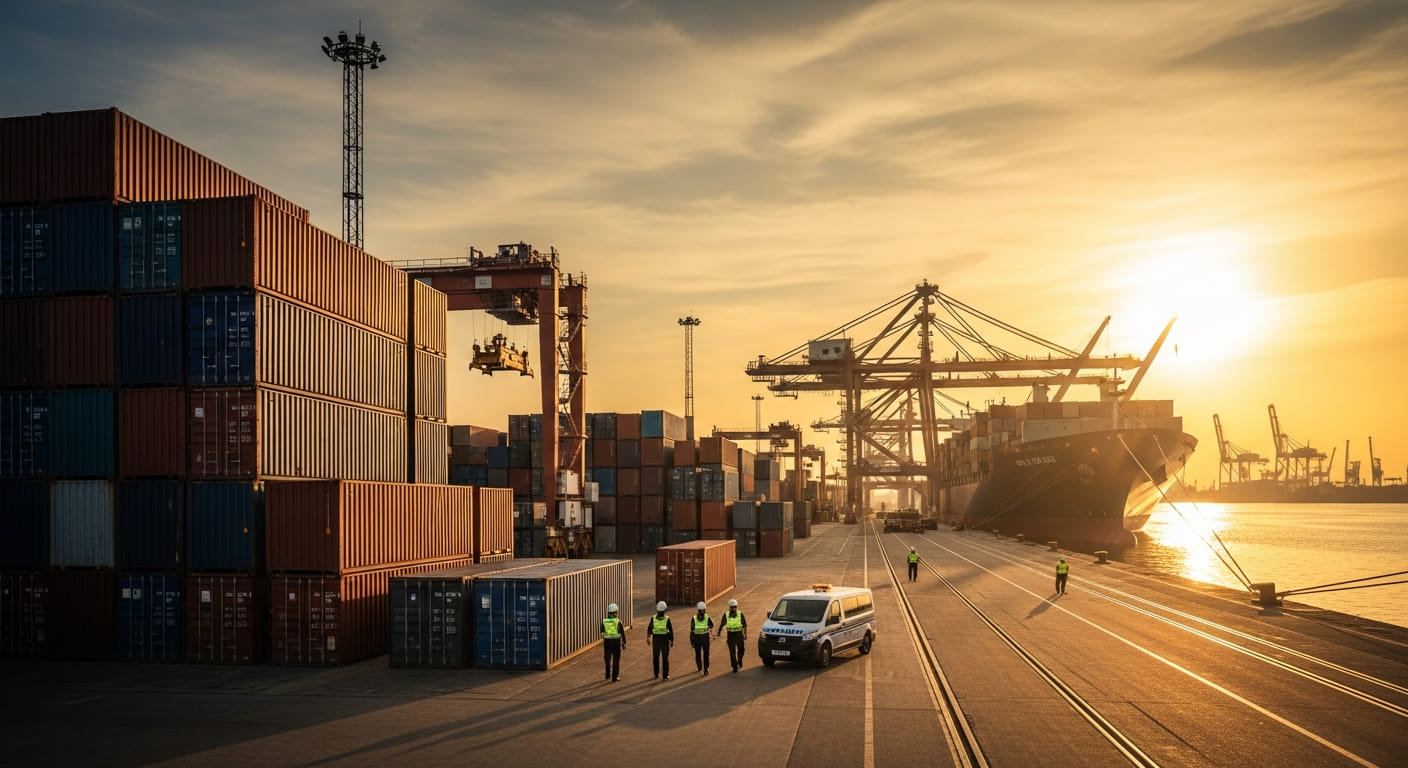
Tariffs & HS Codes compliance guidance for 2026.

Essential Global Trade Enforcement compliance guidance for 2026 importers and freight forwarders.
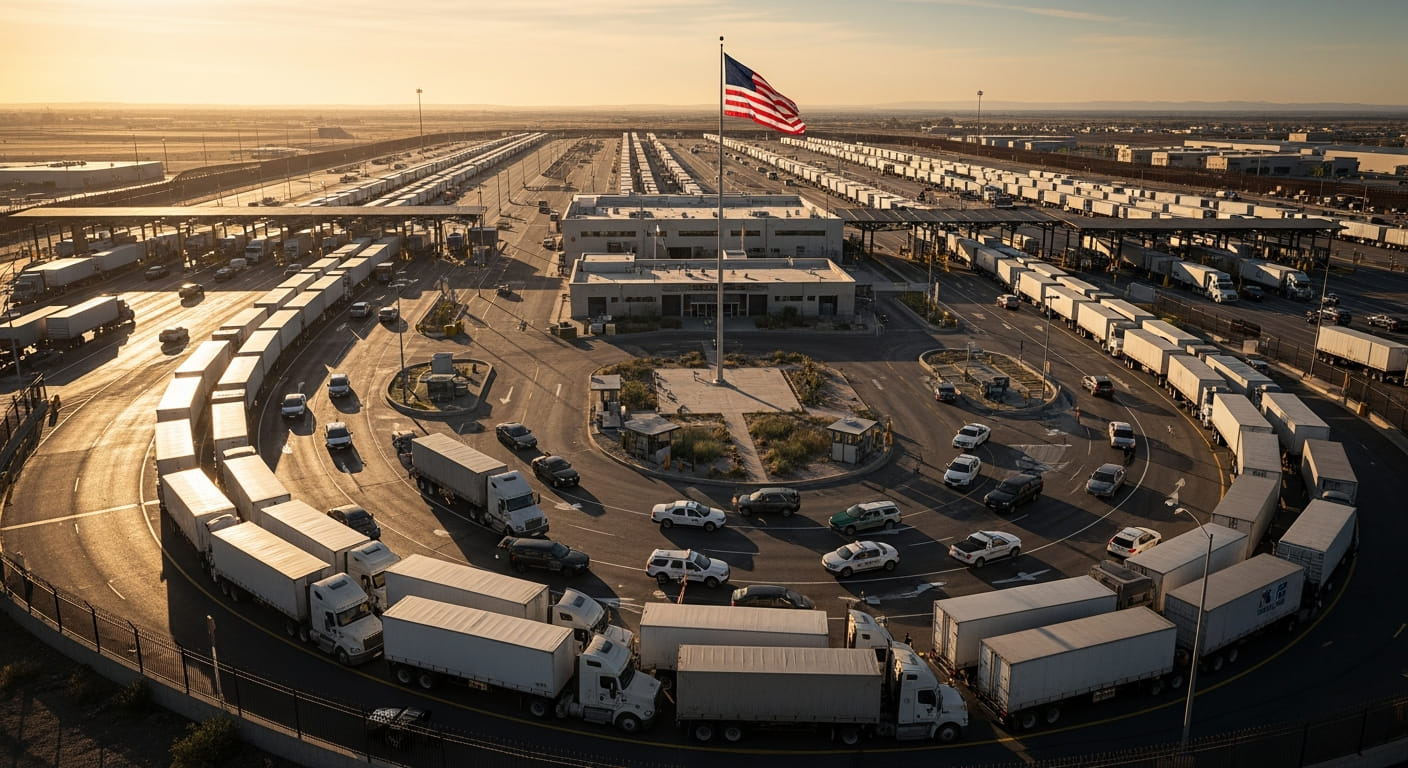
Essential Sanctions & OFAC compliance guidance for 2026 importers and freight forwarders.