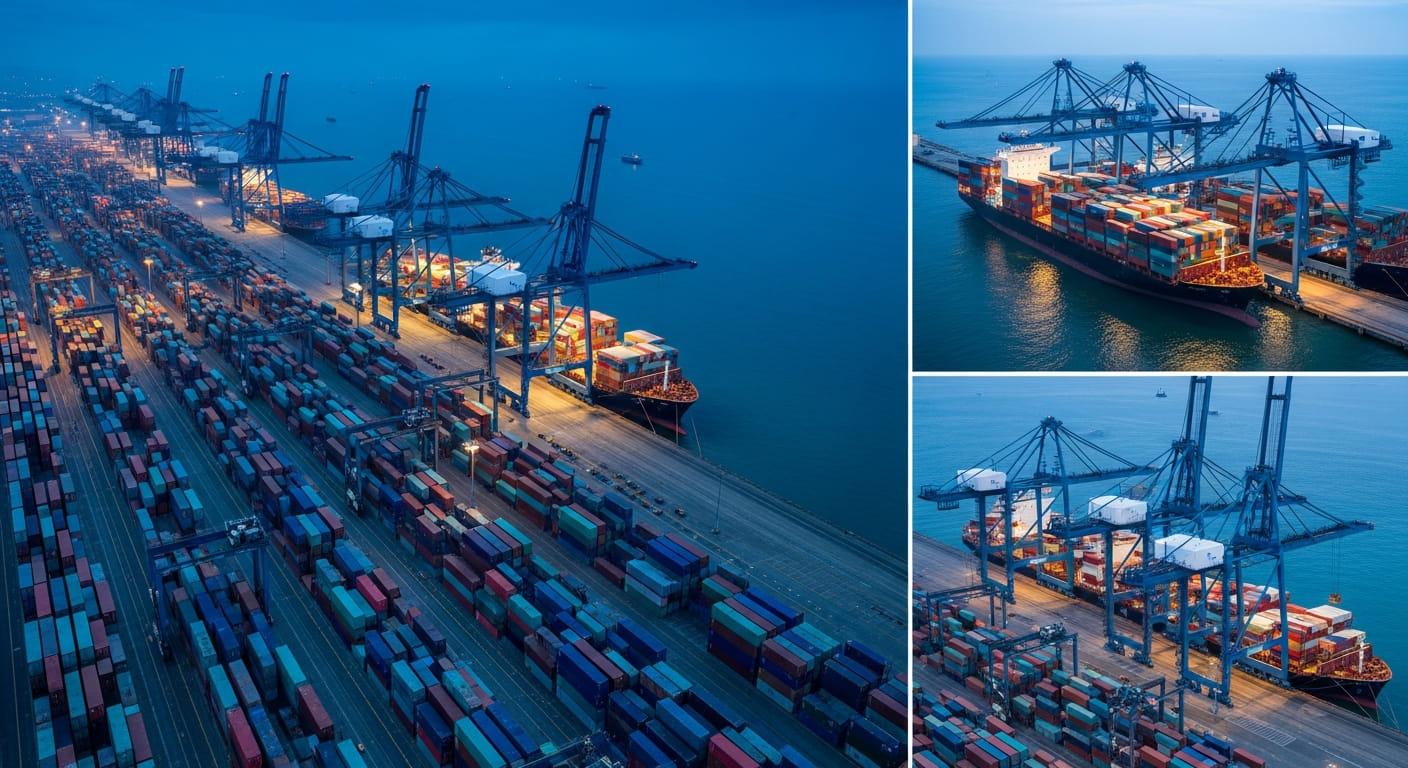
Tariffs & HS Codes Compliance Guide 2026
Essential Tariffs & HS Codes compliance guidance for 2026 importers and freight forwarders.
Essential Tariffs & HS Codes compliance guidance for 2026 importers and freight forwarders.
By The TradeShield AI Team | March 2026
The global trade landscape in March 2026 is a labyrinth of shifting regulations, geopolitical tensions, and economic pressures. For Amazon FBA sellers, importers, and customs brokers, staying ahead isn’t just a best practice – it’s an imperative for survival. Tariffs and Harmonized System (HS) codes, long the bedrock of international trade, have never been more complex or carried greater risk. From the ongoing debate over new tariffs to the enduring headache of Section 301 and 232 surcharges, the stakes are higher than ever.
At TradeShield AI, we understand these challenges intimately. Our mission is to empower you with the intelligence and tools needed to navigate this environment with confidence. This comprehensive guide will dissect the 2026 tariff landscape, explore the real-world impacts of misclassification, highlight the vigilance required from trade professionals, and outline concrete steps to safeguard your operations.
As we move through 2026, the international trade environment continues its volatile trajectory, demanding constant vigilance from all stakeholders. The foundational system of Harmonized System (HS) codes, which categorize goods for customs purposes globally, undergoes annual revisions, requiring importers to constantly update their classifications to avoid compliance pitfalls (Shopify, “Harmonized Tariff Schedule (HTS) Codes: 2026 Guide”). These 6-digit international codes, extended to 10 digits for U.S. imports as Harmonized Tariff Schedule (HTS) codes, are the linchpin for determining duty rates, admissibility, and statistical tracking (Thomasnet, “Tariff Codes: What They Are, Types, and How to Read”).
However, the complexity extends far beyond standard HTS classification. The specter of new tariff regimes looms large. Discussions around further “across-the-board” tariffs, potentially targeting all imports into the U.S. or specific industries, are a constant topic in policy circles, particularly if a new administration seeks to redefine trade relationships (Peterson Institute for International Economics, “The obstacles facing Trump’s next attempt at imposing tariffs”). While the precise mechanisms and legal authority for such broad-sweeping measures are debated and face significant obstacles, the mere possibility injects profound uncertainty into long-term sourcing and logistics planning.
Adding another layer of convolution, a recent Supreme Court ruling has further complicated the executive branch’s authority to impose certain tariffs, even as political figures insist existing trade deals are secure (CNBC, “Trump insists trade deals safe after Supreme Court ruling upends tariff authority, but partners aren’t so sure”). This legal uncertainty, rather than clarifying the system, has made the U.S. tariff landscape even more complex, leading the Cato Institute to observe that the Supreme Court’s involvement won’t necessarily fix the inherent intricacies (Cato Institute, “The US Tariff System Has Gotten Even More Complex—and the Supreme Court Won’t Fix It”). Importers and customs brokers now operate in an environment where the legitimacy and longevity of certain tariffs are under judicial and political scrutiny, yet they must continue to adhere to the duties currently in force.
The existing Section 301 tariffs on various goods from China, initially imposed years ago, remain a significant financial burden for many importers. Similarly, Section 232 tariffs on steel and aluminum imports persist, affecting manufacturing and construction supply chains. While some exclusions or modifications have occurred over time, the core structure remains, necessitating meticulous tracking for specific countries of origin and product types. These surcharges are not simply an added cost; they represent a fundamental disruption to supply chains, forcing businesses to re-evaluate sourcing strategies, absorb higher costs, or pass them on to consumers. For instance, past tariffs, even on specific sectors like pharmaceuticals, demonstrated a clear potential to severely disrupt critical supply chains (TechTarget, “How Trump’s pharma tariffs disrupt drug supply chains”). This historical precedent serves as a stark warning for the broader economy in 2026, where any expansion of tariffs could have far-reaching, unpredictable consequences.
The confluence of annual HS code updates, the ongoing enforcement of Section 301/232 surcharges, and the persistent political discussion around new, broader tariff initiatives creates a dynamic and risky environment. Businesses must contend with not only accurate classification but also the correct application of a multitude of special programs, trade agreements, and specific country-based duties, all while bracing for potential shifts that could fundamentally alter their cost structures overnight.
For importers, especially those leveraging platforms like Amazon FBA, and the freight forwarders who facilitate their shipments, the current tariff and HS code landscape translates into concrete, often severe, business impacts. The most immediate and tangible effect is the financial exposure from unexpected duty costs. A misclassification, even a seemingly minor error in an HS code, can result in the wrong duty rate being applied. For high-volume FBA sellers, this could mean paying significantly more in duties than anticipated on thousands of units, eroding profit margins, and making products uncompetitive. Conversely, an underpayment due to misclassification, if discovered by Customs and Border Protection (CBP), will result in demands for back duties, interest, and potentially substantial penalties.
Operational risks are equally pervasive. Incorrect HTS codes or a failure to account for Section 301/232 surcharges can cause significant delays at customs. Shipments can be held for examination, re-classification, or duty recalculation, leading to storage fees, demurrage charges, and missed delivery windows. For Amazon FBA sellers, this means stockouts, lost sales, negative impacts on seller metrics, and damage to brand reputation. Imagine a popular product launch delayed by weeks because a critical component’s HS code was incorrectly declared, triggering a CBP hold and reassessment. Such scenarios are not theoretical; they are daily realities for many.
Furthermore, the complexity creates a domino effect across the entire supply chain. Businesses might find themselves forced to absorb higher costs if they cannot readily find alternative sourcing options that are exempt from specific tariffs. This can lead to difficult decisions: either pass increased costs to consumers, potentially losing market share, or absorb them, squeezing profitability. Even beyond direct costs, the administrative burden of managing and verifying HS codes, tracking multiple tariff rates, and maintaining audit trails diverts valuable resources that could otherwise be spent on growth and innovation. Freight forwarders, as key intermediaries, bear the brunt of ensuring their clients’ declarations are accurate, facing their own liabilities and operational challenges if errors occur. The uncertainty surrounding future tariff actions (Peterson Institute for International Economics) also makes long-term procurement and investment decisions exceptionally difficult, hindering strategic planning and expansion.
Customs brokers and internal compliance teams are on the front lines of this tariff tempest, operating under immense pressure and heightened scrutiny in 2026. The increasing complexity of the U.S. tariff system, exacerbated by the legal uncertainties surrounding executive tariff authority (CNBC, Cato Institute), places significant liability shifts onto these professionals. As the “informed party” or representative, brokers are often held accountable for the accuracy of declarations submitted to CBP. This means that a client’s error in providing product details or an internal misjudgment in classification can result in direct financial and reputational damage to the broker.
Documentation requirements have become more rigorous than ever. CBP demands comprehensive and verifiable records to support every classification and duty payment. Brokers and compliance teams must not only ensure the correct 10-digit HTS code is applied (Shopify), but also maintain detailed product descriptions, technical specifications, manufacturing processes, country of origin certificates, and any rulings or expert opinions that justify their classification decisions. The absence or inadequacy of such documentation can trigger inquiries, delays, and ultimately, penalties.
The looming threat of audit risk is a constant concern. CBP conducts routine audits and focused assessments to verify compliance. In an environment of increased tariff complexity and legal ambiguity, audit frequency and intensity are likely to rise. For customs brokers, an adverse audit finding for a client can impact their own standing and future business. For internal compliance teams, it can lead to internal investigations, restructuring, and severe financial consequences for their company. The pressure to get it right the first time, every time, is immense. They must monitor not only the annual HTS changes but also keep abreast of all special tariffs like Section 301/232, their exclusions, and their expiration dates, alongside any potential new tariff announcements that could come with little warning (Peterson Institute for International Economics). The consequences of overlooking even a minor detail can be catastrophic, leading to millions in penalties and lost business opportunities.
The biggest risks in 2026 stem from the confluence of the increasingly complex U.S. tariff system, the ongoing uncertainty regarding new broad-based tariffs, and the persistent financial burden of existing Section 301/232 surcharges. Misclassification of HS codes, overlooking country-specific duties, and failing to track annual HTS updates are significant operational and financial risks, particularly given the Supreme Court’s recent impact on tariff authority.
Fines and penalties for tariff and HS code non-compliance can be severe. For negligent misclassification, penalties typically range up to 20% of the lost duty, while gross negligence can incur penalties up to 40%. Fraudulent declarations can result in fines up to the domestic value of the merchandise. Additionally, interest on underpaid duties, storage fees, demurrage, and potential seizure of goods can significantly escalate costs, potentially reaching hundreds of thousands or even millions of dollars for repeat offenders or large shipments.
TradeShield AI offers a robust solution for navigating the complex tariff landscape. Our platform provides real-time screening against OFAC, EU, and UN sanctions lists, ensuring your trading partners are compliant. We leverage AI-driven accuracy for 10-digit HTS code classification, minimizing misclassification risks, and automatically calculate Section 301/232 surcharges to provide accurate landed cost projections. Furthermore, TradeShield AI generates comprehensive, audit-ready PDF compliance reports, streamlining your documentation and audit preparation.
Importers should take three concrete actions immediately: First, conduct a rapid audit of their top 10-20 highest-value or highest-volume imported products to verify current HTS codes and applicable duties, completing this within the next two weeks. Second, implement a process for daily monitoring of trade news and government announcements regarding new tariff proposals or changes to existing Section 301/232 tariffs, starting today. Third, explore and pilot an AI-powered compliance solution like TradeShield AI within the next month to automate classification and risk assessment, future-proofing their operations.
Ready to protect your shipments? Run a free compliance scan with TradeShield AI and get your full risk report in 60 seconds.
Essential Tariffs & HS Codes compliance guidance for 2026 importers and freight forwarders.
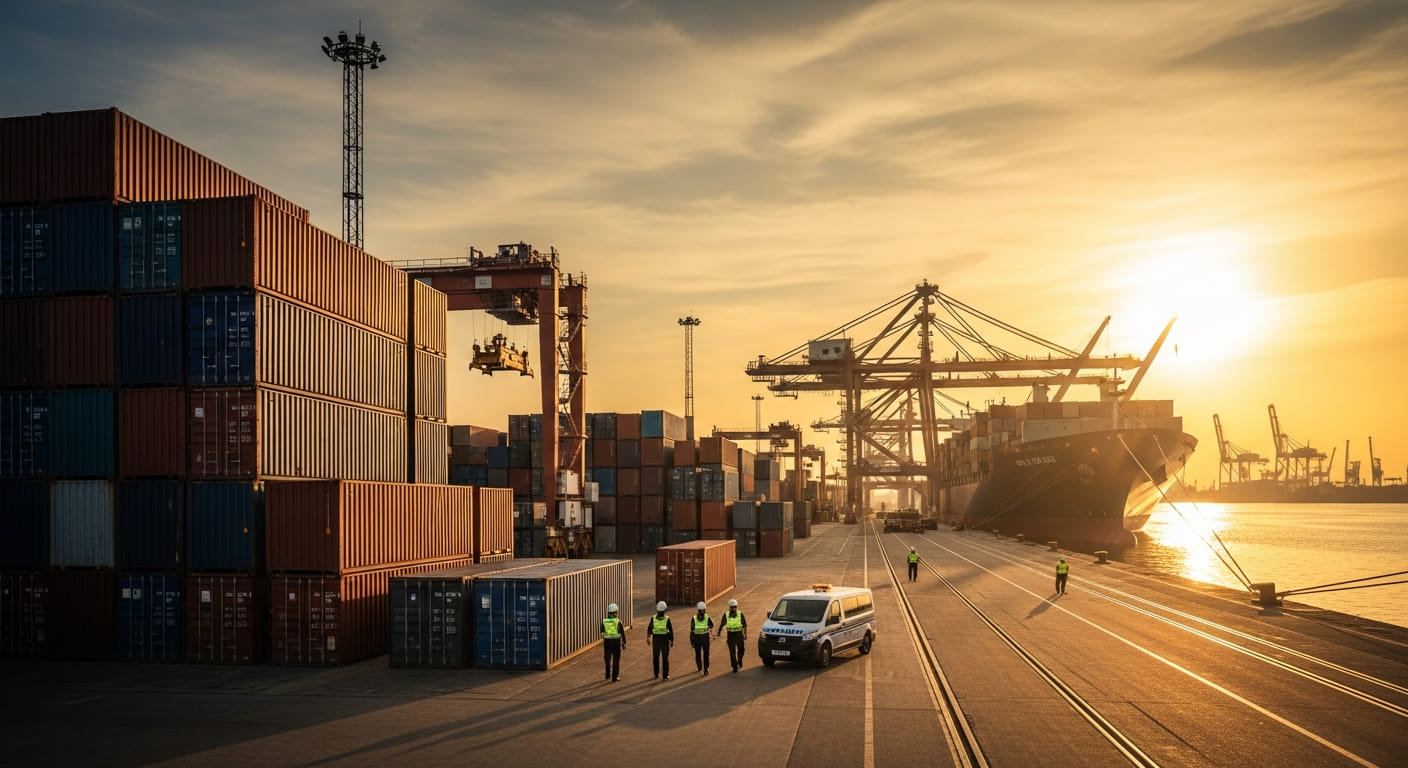
Tariffs & HS Codes compliance guidance for 2026.

Essential Global Trade Enforcement compliance guidance for 2026 importers and freight forwarders.
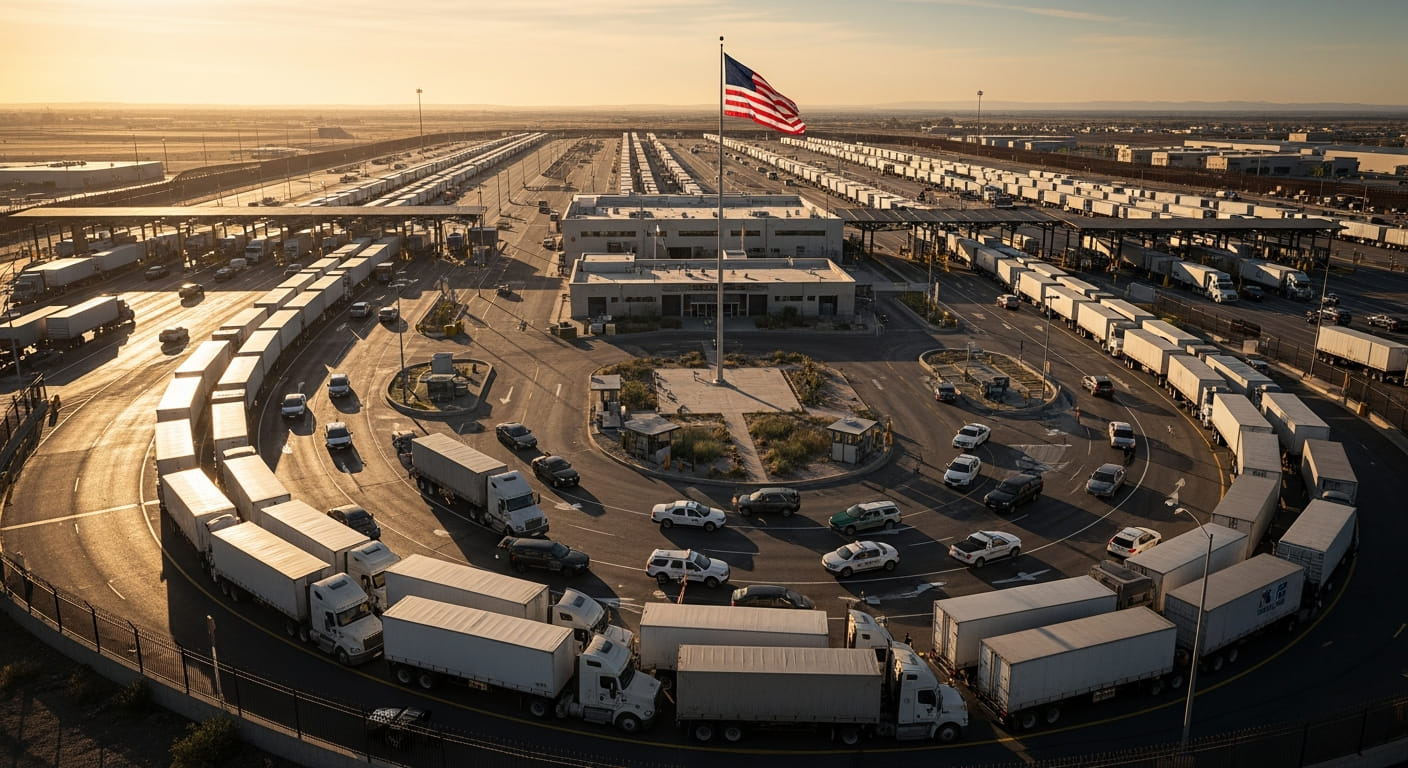
Essential Sanctions & OFAC compliance guidance for 2026 importers and freight forwarders.