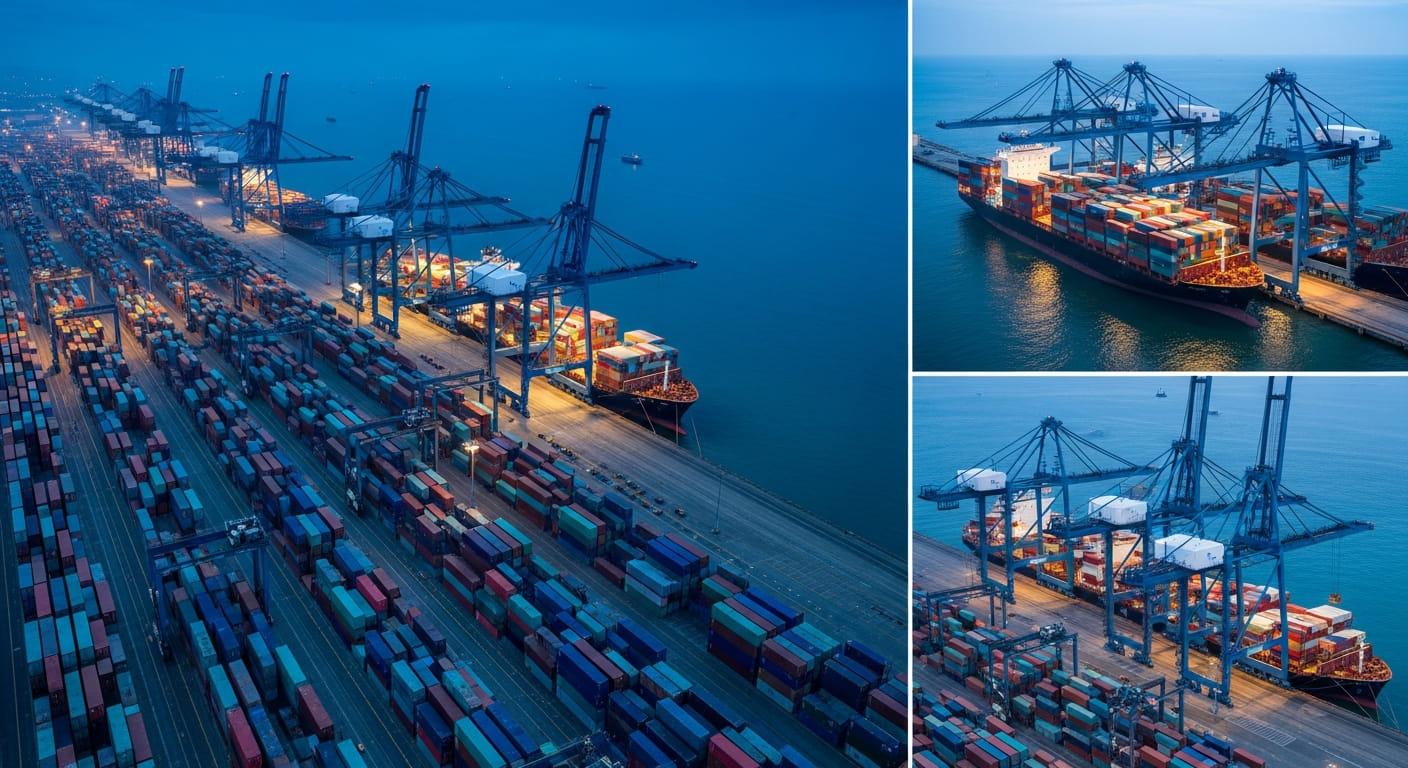
Tariffs & HS Codes Compliance Guide 2026
Essential Tariffs & HS Codes compliance guidance for 2026 importers and freight forwarders.
Tariffs & HS Codes compliance guidance for 2026.
March 2026 – The global trade landscape is a dynamic, often turbulent sea, and for importers, staying afloat means mastering the currents of tariffs, the complexities of Harmonized System (HS) codes, and the unexpected storms of surcharges like Section 301 and 232. As we move further into 2026, the waters are choppier than ever, marked by shifting political winds, the enduring legacy of trade disputes, and an increasingly intricate regulatory environment.
Importers today face a perfect storm: the looming specter of renewed protectionist policies, the paradoxically more complex U.S. tariff system following recent legal interpretations, and the ever-present threat of costly misclassification. Your profitability, supply chain resilience, and even your company’s reputation hinge on your ability to navigate these challenges with precision and foresight.
At TradeShield AI, we understand these pressures. Our mission is to equip you with the knowledge and tools to not just survive but thrive amidst this complexity. This article will dissect the 2026 tariffs and HS codes landscape, illuminate the real-world impact on your operations, and provide actionable steps to ensure your compliance and protect your bottom line.
As of March 2026, the trade world holds its breath, keenly watching for the materialization of anticipated shifts in U.S. trade policy. The political climate suggests a potential resurgence of aggressive tariff strategies, reminiscent of previous administrations. The Peterson Institute for International Economics has highlighted the “obstacles facing Trump’s next attempt at imposing tariffs,” underscoring the ongoing debate and the very real possibility of new broad-based tariffs or targeted levies that could reshape import costs overnight.
This potential for new tariffs arrives in an environment already strained by complexity. The U.S. Tariff System, far from simplifying, has actually “gotten even more complex,” as noted by the Cato Institute, a situation the Supreme Court won’t fix. Indeed, the Supreme Court’s recent ruling, while intended to clarify executive power regarding tariffs, has ironically contributed to the intricate web. As CNBC reported, while some insist trade deals are safe, “partners aren’t so sure,” reflecting the global apprehension and the perceived instability in U.S. trade relations. This ruling didn’t simplify the legal framework but rather highlighted its nuances, meaning importers can’t rely on simple interpretations of presidential authority.
The foundational element of this complexity remains the Harmonized Tariff Schedule (HTS) of the United States. Derived from the global Harmonized System (HS) codes, the HTS is a dynamic document, updated annually, with major revisions every five years. The “Harmonized Tariff Schedule (HTS) Codes: 2026 Guide” from Shopify emphasizes its critical role. These multi-digit codes dictate duty rates, trade statistics, and regulatory requirements, acting as the DNA of your imported goods. Misinterpreting or misclassifying products under this intricate system is a recipe for disaster.
Furthermore, the shadows of Section 301 and Section 232 surcharges continue to loom large. These additional duties, implemented under trade remedy laws for issues like unfair trade practices (Section 301, primarily against China) and national security concerns (Section 232, affecting steel and aluminum), are not static. While some exclusions have expired or been extended, the underlying authority remains, and their application can shift with policy priorities. A new administration could decide to broaden their scope, re-impose expired surcharges, or introduce new ones on different product categories or countries. This creates an environment where a seemingly stable duty rate for an HS code can suddenly spike due to an unforeseen surcharge, requiring constant vigilance and proactive risk assessment. The confluence of potential new tariffs, a legally complex existing system, and the ever-present threat of surcharges paints a picture of extreme volatility for importers in 2026.
The tumultuous tariff landscape and the inherent complexities of HS codes translate into direct and severe impacts on importers’ operations and profitability. Without diligent management, these challenges can erode competitive advantage and create significant financial exposure.
Firstly, increased landed costs are the most immediate and tangible consequence. New tariffs, or the re-imposition of existing surcharges under Sections 301 or 232, directly add to the cost of goods sold. A product that was once viable may become unprofitable overnight. For example, if a new 25% tariff is placed on a category of goods from a specific country, a $100 import suddenly costs $125 in duties, drastically altering profit margins and potentially making competing with domestically produced or tariff-free alternatives impossible.
Secondly, supply chain disruptions and uncertainty become rampant. Importers are forced to constantly reassess sourcing strategies, often leading to costly and time-consuming diversions to alternative countries or suppliers. This not only impacts lead times and logistics but can also compromise quality control and established relationships. The “Trump insists trade deals safe… but partners aren’t so sure” sentiment from CNBC directly reflects the real-world anxiety that suppliers and importers experience, making long-term planning incredibly difficult. Suppliers become hesitant, and contract negotiations are fraught with tariff contingency clauses, further complicating business.
Thirdly, the risk of HS code misclassification carries severe financial and reputational penalties. An incorrect HS code, whether intentionally or unintentionally applied, can lead to underpayment or overpayment of duties. Underpayment triggers audits, fines, and back-duties – penalties that can sometimes exceed the original duty amount. Overpayment means you’re simply giving away profit to customs, eroding margins unnecessarily. Both scenarios can result in significant delays at customs, as shipments are detained for re-classification, leading to demurrage charges, missed deadlines, and dissatisfied customers. Beyond the direct costs, customs authorities may flag your company for increased scrutiny, leading to a higher likelihood of future audits and delays.
Finally, the dynamic nature of these regulations demands constant resource allocation. Keeping up with HTS updates, understanding complex tariff codes, and monitoring potential surcharge changes requires dedicated personnel, specialized software, or external expertise. For many importers, especially SMEs, this diverts critical resources away from core business activities, making the cost of compliance a significant operational expense in itself. The intricate dance of “Tariff Codes: What They Are, Types, and How to Read” as explained by Thomasnet, is a full-time job for compliance professionals, highlighting the depth of knowledge required. Ignoring these complexities is not an option; it’s a direct path to financial peril and regulatory non-compliance.
Navigating the 2026 tariff and HS code landscape requires a proactive, strategic approach. Here are five essential steps importers must take to ensure compliance and protect their interests:
Invest in Robust HTS Classification Expertise & Training: Given the intricate nature of HS/HTS codes and their direct impact on duties and compliance, having expert knowledge is paramount. This means either investing in dedicated, highly trained in-house compliance personnel or partnering with experienced trade compliance consultants. Regular training for your team on the latest HTS updates, interpretive rules, and classification rulings is non-negotiable. Remember, the HTS is constantly evolving, with annual updates and major revisions every five years (like the one reflected in the “Harmonized Tariff Schedule (HTS) Codes: 2026 Guide” from Shopify). Ignorance is not a defense against penalties for misclassification. Your team needs to understand not just the codes themselves, but also the general rules of interpretation and explanatory notes to make sound classification decisions.
Leverage Advanced Trade Compliance Technology (Like TradeShield AI): Manual classification and tariff monitoring are simply no longer sustainable or accurate in today’s complex environment. Modern trade compliance software, such as TradeShield AI, is essential. These platforms offer capabilities like AI-powered classification tools that analyze product descriptions and technical specifications to suggest accurate HS codes, significantly reducing human error. They also provide real-time updates on tariff changes, Section 301/232 surcharges, and other trade remedies, alerting you to potential impacts on your imported goods. Furthermore, TradeShield AI can help manage country-of-origin rules, free trade agreement eligibility, and provide audit trails for all classification decisions, demonstrating due diligence to customs authorities. This technological edge is crucial for mitigating risks and optimizing duty spend.
Conduct Regular Internal Audits and Reviews: Proactive self-assessment is key to identifying and rectifying compliance gaps before they become costly problems during a customs audit. Implement a routine schedule for reviewing your HS code classifications for a representative sample of your products. Verify the origin data, valuation methods, and any claims for preferential treatment. Pay particular attention to new products, products with complex components, or those that have previously been subject to customs queries. These internal audits should also assess your processes for monitoring tariff changes and implementing new regulations. Documenting these reviews is critical evidence of your commitment to compliance.
Stay Informed on Trade Policy Developments & Regulatory Changes: The political and legal landscape influencing tariffs is highly fluid. Follow reputable news sources, trade publications, and official government announcements from agencies like CBP, USTR, and DOC. Be aware of discussions surrounding potential new tariffs, changes to existing surcharges (e.g., Section 301/232 exclusions or expansions), and any relevant Supreme Court rulings that could impact tariff authority or interpretation. Subscribing to trade alerts and engaging with industry associations can provide early warnings of impending changes, giving you time to adjust your strategies. This proactive intelligence gathering is vital for anticipating future costs and supply chain disruptions.
Maintain Meticulous Record-Keeping and Documentation: In the event of a customs inquiry or audit, your ability to quickly and accurately provide supporting documentation is paramount. For every imported shipment, maintain comprehensive records including commercial invoices, packing lists, bills of lading, entry summaries, purchase orders, technical specifications, and any internal classification rulings or legal opinions. These documents should clearly support your chosen HS codes, declared values, and country of origin. A robust record-keeping system, whether digital or physical, demonstrates due diligence and can significantly expedite the audit process, potentially reducing penalties. Ensure that these records are accessible and retained for the legally required period, typically five years from the date of entry.
Q1: How often do HS codes change, and how do I keep up? A1: The international Harmonized System (HS) undergoes major revisions every five years, with the next one due in 2027. However, individual countries’ Harmonized Tariff Schedules (HTS), like the U.S. HTS, typically update annually on January 1st to incorporate minor changes, statistical annotations, and legal amendments. To keep up, regularly consult the official HTSUS publication from the U.S. International Trade Commission (USITC), subscribe to CBP trade alerts, and leverage advanced trade compliance software like TradeShield AI, which automatically incorporates these updates.
Q2: What is the primary difference between Section 301 and Section 232 surcharges? A2: Section 301 tariffs are imposed under Section 301 of the Trade Act of 1974, targeting unfair trade practices by other countries, often relating to intellectual property theft or technology transfer. These have primarily been applied to goods from China. Section 232 tariffs are imposed under Section 232 of the Trade Expansion Act of 1962, focusing on imports deemed to threaten national security, most notably steel and aluminum products. While both result in additional duties, their legal basis and objectives differ significantly.
Q3: What are the consequences of HS code misclassification? A3: Consequences can range from minor to severe. If you underpay duties, you face back-duties, interest charges, and potentially significant penalties (ranging from negligence to fraud, depending on intent). Your shipments can be delayed or seized, incurring demurrage and storage fees. Repeated misclassifications can lead to increased customs scrutiny, audits, and damage to your company’s reputation. If you overpay, you simply lose profit unnecessarily and may not be able to reclaim overpaid duties without a lengthy protest process.
Q4: Can a Supreme Court ruling truly make the tariff system more complex, rather than clarifying it? A4: Yes, absolutely. As the Cato Institute and CNBC have pointed out, recent Supreme Court rulings on executive tariff authority have not necessarily simplified the system. While they may clarify the scope of presidential power in certain areas, they often introduce new legal interpretations, limitations, or conditions that require sophisticated legal analysis. This can create additional layers of legal scrutiny and uncertainty around the implementation of tariffs, requiring importers to navigate a more nuanced and potentially fragmented regulatory environment, rather than a clearer one.
The trade landscape of 2026 demands not just awareness but proactive, intelligent action. Tariffs and HS codes are not static line items; they are dynamic levers that directly impact your profitability and competitive edge. Don’t let complexity become a compliance burden or a financial drain.
Ready to gain clarity and control over your import operations?
Discover how TradeShield AI can provide the expertise, technology, and real-time insights you need to navigate the volatile trade waters with confidence.
Get started with a free scan of your import data today!
Essential Tariffs & HS Codes compliance guidance for 2026 importers and freight forwarders.
Essential Tariffs & HS Codes compliance guidance for 2026 importers and freight forwarders.

Essential Global Trade Enforcement compliance guidance for 2026 importers and freight forwarders.
Essential Sanctions & OFAC compliance guidance for 2026 importers and freight forwarders.